APINDO Highlights Investment Challenges in Central Sulawesi: Regulations and Tax Burden
Thursday, 30 July 2026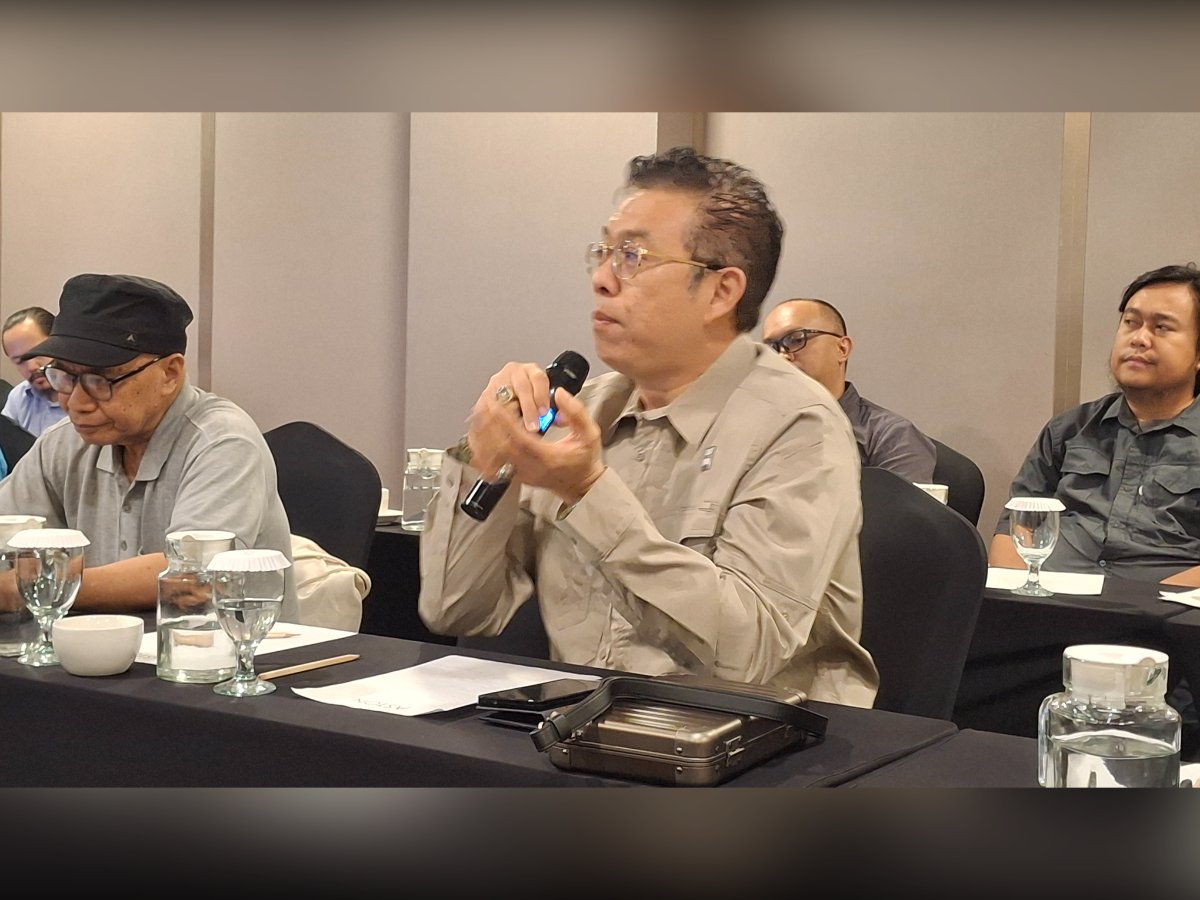
PALU, Central Sulawesi – Chairman of the Central Sulawesi Provincial Leadership Council (DPP) of the Indonesian Employers Association (APINDO), Wijaya Chandra, said on Thursday (May 23) that the business community continues to face a range of significant investment challenges that are hampering regional economic growth.
Wijaya made the statement during a multi-stakeholder discussion titled “Decentralized Energy Management Policy and Its Impact on Economic and Environmental Improvement in Central Sulawesi,” organized by the Indonesian Parliamentary Center (IPC) in collaboration with the Palu chapter of the Alliance of Independent Journalists (AJI). The discussion was held at the Aston Hotel in Palu.
According to Wijaya, one of the key investment challenges facing businesses is not only the economic slowdown, but also the need to improve the quality of human resources. In addition, an increasingly burdensome tax burden and frequent regulatory changes have further complicated the business climate in the region.
He said regulatory uncertainty made it difficult for businesses to develop effective long-term plans. Wijaya cited changes to regulations governing permits for Class C mining activities and requirements related to the Work Plan and Budget (RKAB) as concrete examples of the investment challenges confronting businesses.
“Many businesses that have already invested are now forced to suspend their activities because the regulations lack clarity in terms of implementation,” Wijaya Chandra said.
As a result, several construction projects have been disrupted, material distribution has been affected, and some companies have been forced to scale back their operations, adding to the investment challenges facing the region. Wijaya stressed that the government needs to provide regulatory certainty to ensure that investment activities are not disrupted.
Wijaya added that APINDO has frequently raised objections during discussions on minimum wage policies, as increases in regional minimum wages are not always considered commensurate with economic growth. At the same time, mounting tax pressures are making it increasingly difficult for businesses to achieve greater operational efficiency.
Wijaya also criticized high distribution costs resulting from difficulties in obtaining subsidized fuel. He said many businesses have been forced to purchase fuel at prices significantly higher than the official subsidized price.
The government, he added, should also pay greater attention to the environmental impacts of mining activities.
“Environmental guarantees, which form part of companies’ obligations, must genuinely be used for environmental restoration when environmental damage occurs,” Wijaya said.
Concluding his remarks, Wijaya emphasized that not all businesspeople engage in violations.
“We hope the government can distinguish between businesses that comply with regulations and those that have been proven to have violated the law,” said Wijaya Chandra, Chairman of the Central Sulawesi Provincial Leadership Council of the Indonesian Employers Association (APINDO).
“Businesses that operate in compliance with the rules are often the ones that end up bearing the consequences of policies that fail to provide certainty,” he added, urging the government to create a fairer and more supportive business climate.
Source: Media Alkhairaat