APINDO Central Sulawesi Calls for Renewable Energy to Strengthen Power Resilience
Thursday, 10 September 2026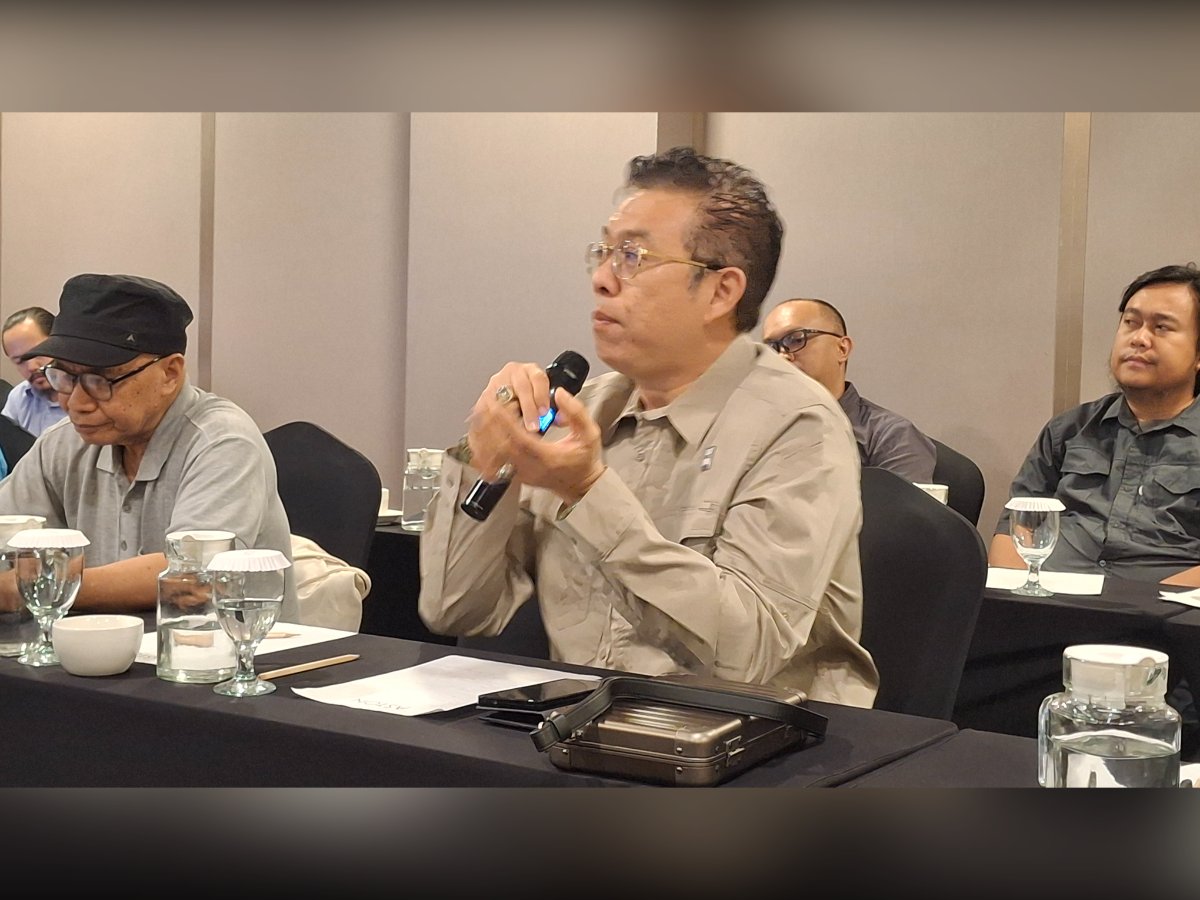
LOLU SELATAN — Chairman of the Indonesian Employers Association (APINDO) Central Sulawesi, Wijaya Chandra, has called on the government to accelerate the development of new and renewable energy (NRE) to strengthen electricity resilience and safeguard the investment climate in Central Sulawesi.
The call comes amid rolling power outages in Palu and several other areas across Central Sulawesi. The situation is linked to reduced available supply capacity in the Sulawesi power system. Declining water discharge from the Poso River and reduced inflows into Lake Poso have also become concerns, as they affect the generation capacity of hydropower plants, including the Poso Hydroelectric Power Plant (PLTA Poso), in supplying electricity.
“This should serve as an evaluation. We have enormous energy potential, but system resilience must be built on a diversified energy mix. When hydropower generation declines, other energy sources must be available to support the system,” Wijaya said.
According to Wijaya, electricity demand in Central Sulawesi will continue to increase in line with industrial growth and investment. A study by Tadulako University projects that electricity demand in Palu will rise from 713 GWh in 2025 to 2,110 GWh in 2034, while peak load is expected to increase from 136 MW to 401 MW.
Meanwhile, Sulawesi has an estimated renewable energy potential of around 257.36 GW. Under PLN’s 2025–2034 Electricity Supply Business Plan (RUPTL), renewable energy development in Sulawesi is projected to reach approximately 7.7 GW, including an additional 4.129 GW during 2025–2029 and 6.294 GW during 2030–2034.
Wijaya said the potential must be promptly converted into generating capacity and supported by adequate transmission and distribution infrastructure.
“The potential is enormous. The challenge is how the government can accelerate its realization so that when one energy source experiences a decline in output, other sources are available to maintain electricity supply,” he said.
The power outages, Wijaya added, have had a direct impact on the business sector. Businesses have had to incur additional costs for generators, fuel, and backup power systems to keep their operations running. At the same time, households and businesses seeking to use rooftop solar photovoltaic systems (PLTS) as an alternative source of energy continue to face a number of regulatory constraints.
“If households and businesses can generate part of their own electricity needs through rooftop solar systems, this should be part of the solution. Regulations should provide room for this, rather than creating obstacles,” he said.
Wijaya stressed that reliable electricity is an important component of regional competitiveness. The government needs to accelerate power generation diversification, expand renewable energy development, strengthen the electricity grid, and provide greater opportunities for self-generated power.
“We must not allow investment growth to outpace energy readiness. Central Sulawesi has enormous renewable energy potential. What is needed now is to turn that potential into electricity that is reliable, affordable, and sustainable,” Wijaya said.
Source: mercusuar.web.id